
Therefore, period costs are only recognized as expenses in the income statement. Now let’s look at a hypothetical example of costs incurred by a company and see if such costs are period costs or product costs. Period Costs directly affect the company’s profitability by reducing net income on the income statement. These expenses are deducted from revenues to calculate operating income, reflecting the costs incurred to support the business’s ongoing operations. By recognizing Period Costs in the income statement, stakeholders bookkeeping can assess the company’s ability to generate profits from its core activities and evaluate its operating efficiency over time.

Recording in Financial Statements
- Below is a break down of subject weightings in the FMVA® financial analyst program.
- Period costs can be separated by category on the income statement to help understand what the costs are and how much is spent on each.
- From administrative and selling expenses to marketing costs and depreciation, every Period Cost plays a role in shaping a company’s financial health.
- Indirect Cost – a cost that cannot be easily and conveniently traced to one product.
- If there is no production of any goods, the business will incur no product cost.
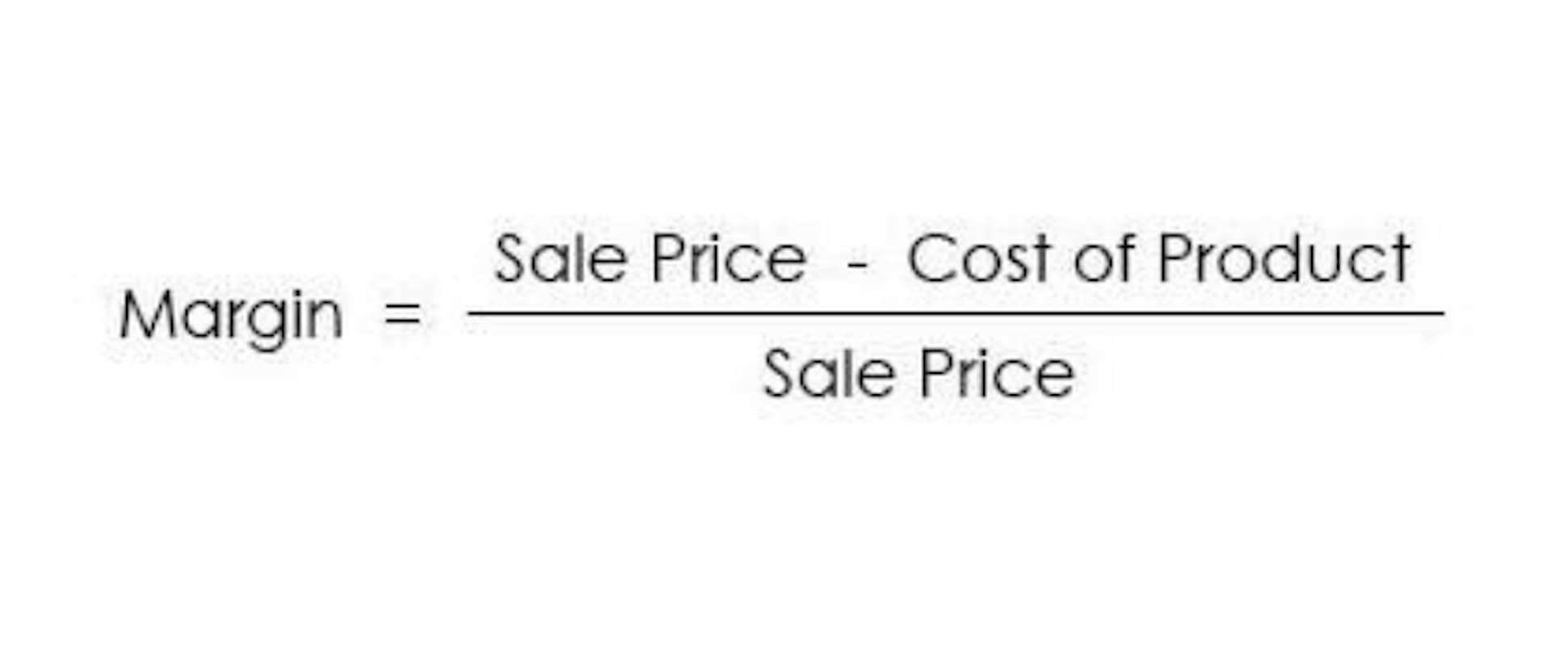
It is also useful for determining the minimum price at which a product can be sold while still generating a profit. Period costs are not incurred during the manufacturing process and cannot be assigned to cost goods manufactured. Direct allocation provides a simple and transparent way to assign costs to cost objects, making it easier to trace expenses and calculate the true cost of producing goods or services.
Support
Upgrade to one of our premium templates when needed and take your work to the next level. Access and download collection of free Budgeting for Nonprofits Templates to help power your productivity and performance.
- The period cost is important and a necessary thing to keep track of because it allows you to know your company’s net income for each accounting period.
- Effective inventory management and production planning can help mitigate the impact of variable costs on profitability.
- Period costs encompass a variety of expenses that are essential for the day-to-day operations of a business but are not part of the manufacturing process.
- For instance, a spike in rental expenses due to market changes would necessitate a reevaluation of pricing to ensure that the increased costs do not erode profit margins.
- Manufacturers debit their raw materials inventory account when the purchase is made and credit their cash account.
- Period costs are also known as period expenses, time costs, capacity costs, and operating expenses.
- A period cost is charged to expense on the income statement as soon as it is incurred.
Why is it Necessary to Keep Track of Period Costs?
Costs and expenses that are capitalized, related to fixed assets, related to purchase of goods, or any other capitalized interest are not period costs. The product costs are the costs incurred by a company directly related to the production of goods. If a manufacturer leases its manufacturing plant and equipment, the lease is a product cost (as opposed to a period cost). That is, rent is included in the manufacturing overhead assigned to the goods produced. On the other hand, if a cost is linked to a product, inventory, production, or goods and may be incurred over several accounting periods, you may be looking at a product cost.
- The remaining inventory of 200 units would not be transferred to cost of good sold in 2022 but would be listed as current asset in the company’s year-end balance sheet.
- Effective management of marketing expenses involves aligning marketing strategies with business objectives, measuring campaign performance, and optimizing marketing spend to achieve the desired outcomes.
- These costs tend to be clustered into the selling, general and administrative classifications of expenses, and appear in the lower half of a reporting entity’s income statement.
- These costs are integral to understanding the financial landscape of a company and require a detailed examination to appreciate their role in accounting and management.
- The key difference between product cost and period cost is that product concurs when a company produces any products.
- CFI is the global institution behind the financial modeling and valuation analyst FMVA® Designation.
Selling costs can vary somewhat with product sales levels, especially if sales commissions are a large part of this expenditure. The inclusion of period costs in pricing decisions also involves a strategic component. Companies may decide to absorb certain period costs temporarily to gain market share or enter a new market, setting prices period costs that are competitive yet may not fully cover these expenses in the short term. This approach can be particularly effective in industries where customer acquisition costs are high, but the lifetime value of a customer is significant.